
Solidarity in France
Posted on
My name is Marie-France so you might guess that I am French. I came down with the virus on 12th March and our lockdown in France came just a couple of days later. I felt like I had flu but with sudden peaks of fever. I was achy and headachy and sleeping most of the time. My husband Nicholas became a first class nurse. He looked after me, propped my pillows, entertained me; he cooked and brought me food, but I had completely lost my sense of taste and smell so I could sense the texture of my meals, but they tasted of nothing. I’ve still not got it fully back and have to add a lot of salt and pepper to my food!
I am 72 and I don’t do “ill”. But here I was, so weak and unable to walk barely 200 yards. Being usually an active and healthy person I was lucky, I recovered at home – although months later I still have post-covid symptoms and have had to slow my life down, a big change for a busy me.
Back in March I was eventually well enough to come out for the nightly clap at 8pm for health workers. It’s been so important, starting up on 18th March in council apartment blocks in Paris where people were inspired by the same idea in Italy. A hospital director told us on the television “every night we know, we feel it, that you are thinking of us and you are behind us”. He had teary eyes. It’s one of the ways in which we have been unified in our solidarity. I grew up in the shadow of the Second World War when France was an ‘occupied’ country. You understand danger on your doorstep and being restricted in your movements. I wouldn’t say we are a very disciplined culture in general, but we know from our history that in a crisis limitations are needed. We needed to be told clearly what to do and our politicians acted quickly. They were also humble in the face of the virus and the changing information. So most people trusted them and complied with the strict lockdown.
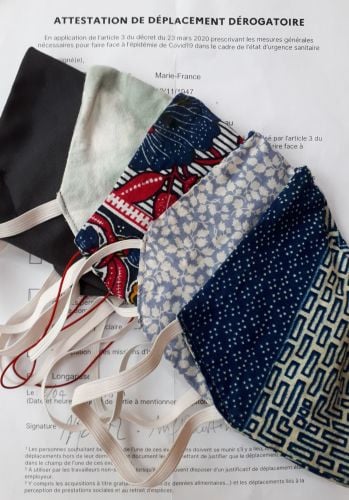
And it was strict! From the outset you were only allowed out of your house for essential needs: visiting the doctor, chemist, supermarket, or helping a vulnerable person in need. At first you could exercise up to 1km from your home but that soon stopped too… unless you had an essential outing or to walk your dog. Lucky us that had Minnie the Springer Spaniel to walk every day! You had to get a paper signed by the police called an “Attestation” and giving you permission for each outing; the police came down the street every night, checking that people were staying at home. In more normal times we have a lot of social and political freedom in Europe and it’s good in a way to be reminded it’s not the same everywhere. It felt like curfew time; but it also felt contained and reassuring to me.
By April we were advised to wear masks and councils had to make sure there was access to masks for everyone who wanted them. In our small area this really brought everyone together. The Mayor put a call out to borrow sewing machines and receive help from those who could sew; 60 people came to the town hall on one day to make free masks, all from donated fabrics. There was a very organised system to collect them from the Town Hall, a mask for each one of us, every resident. I have seen this sense of sharing across Europe too, not in the beginning when we were all needing to look after ourselves, but then France was sending doctors to Italy, experts were coming here from Germany, a solidarity across boarders and a sense that we are all in this together.
By Marie-France, September 2020
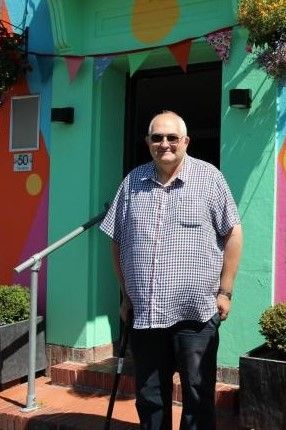
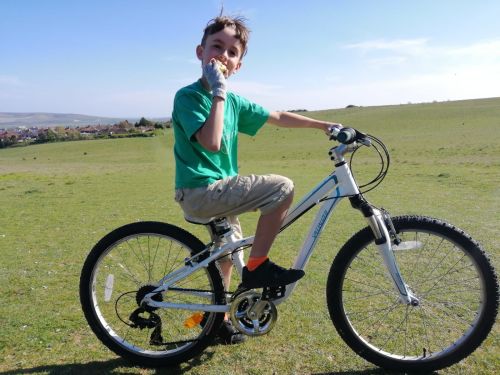
 During the day we were not allowed out apart from to the nearest shops (no further than 200 metres). Sometimes we would go to my grandparents who live 5 minutes away by bike for a couple of days so that my mum could carry on working. We had to be incredibly careful as there were many police cars roaming around, checking that people were not out without permission. We would leave in the evening with our bikes (me, my sister Apolline and my mum) with the bike lights switched off and a torch. If the police stopped us, they would have fined us 400 Euros each and my mum was very worried about this.
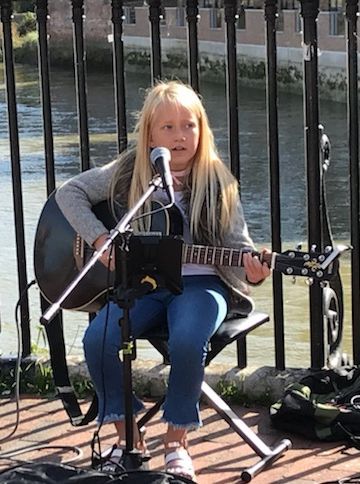 We will have missed 6 months of school in September. I went back on two set days for three weeks, but it was quite hard because in our classroom we had no decorations or displays. We had to stand on little dots as you couldn’t really go near anyone or sit with anyone else on your desk and it felt a bit lonely at some times, it wasn’t quite easy to play with people.
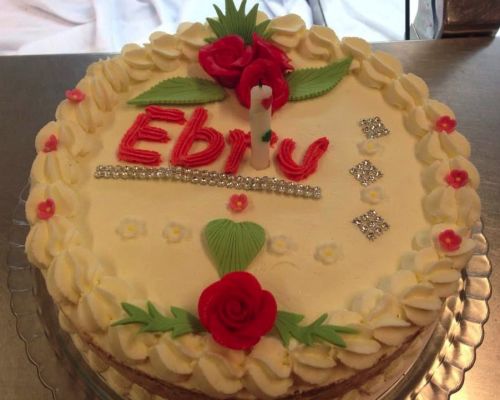 There was no call for breakfast, all I served was lunch and that was great – at last I did not have to get up at 4:30am every day and I was home by 3pm! It was truly a dream come true that I finally had time to spend with my family and my garden. No stress with traffic jams and finding somewhere to park, juggling two jobs. I had worked about 300 hours a month before and always gone out to the theatre, concerts, meeting my friends. Now I was able to have time for myself, to read, to relax, and at last to rest and recuperate. I realised: You don’t need all that action! Sometimes I even watched TV in the afternoon, I had more time for my partner and my daughter became the expert cream-cake baker.
 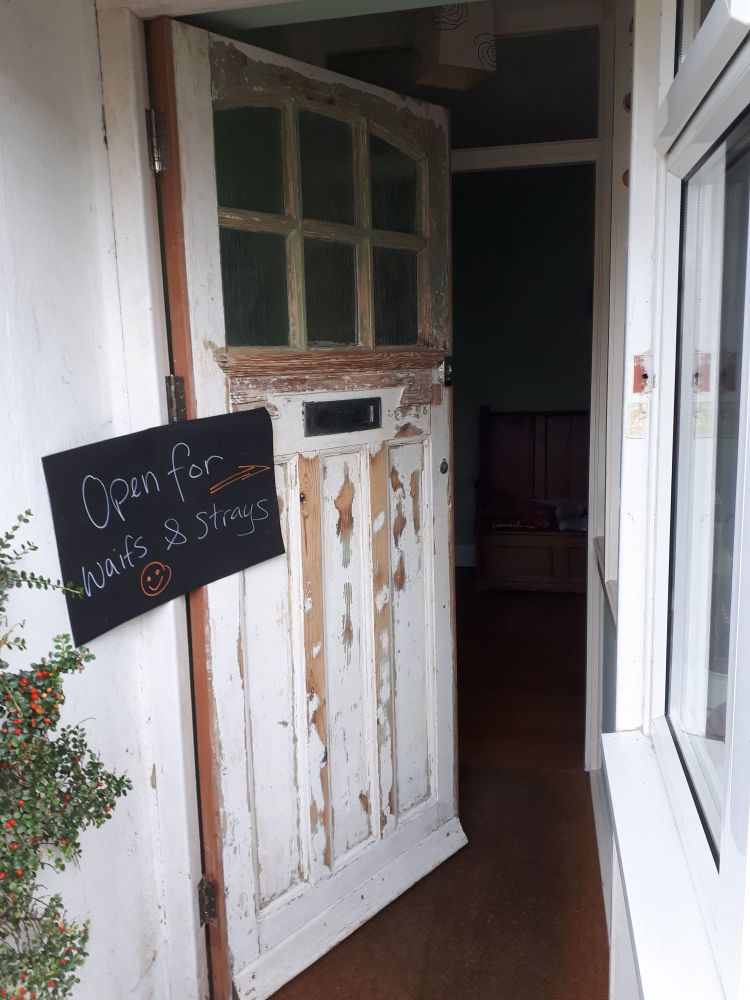 I’ve seen how differently people react to Covid-19: some people are really cautious and have kept their children out of school, others are not worried, but didn’t want their kids going to school while others were off. As a result, we’ve had as few as 3 children to care for on some days and at most only 7 kids. I’m looking forward to returning to work in September but am not sure how many kids we’ll have as registrations have been very low so far.
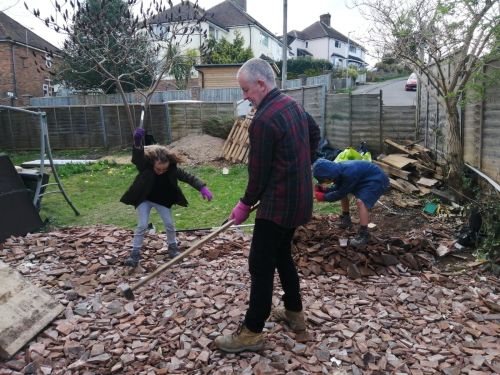
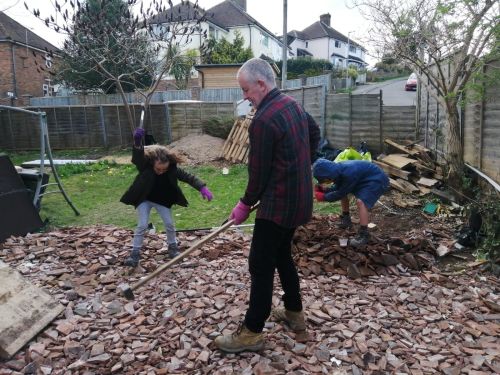 When I wake up we have breakfast and we walk round the block and then come back in to ‘go to school’. My dad teaches us every day and my mum twice a week as she’s mostly trapped upstairs; she has to do her own homework. She does phone calls and skype – she’s basically an NHS person.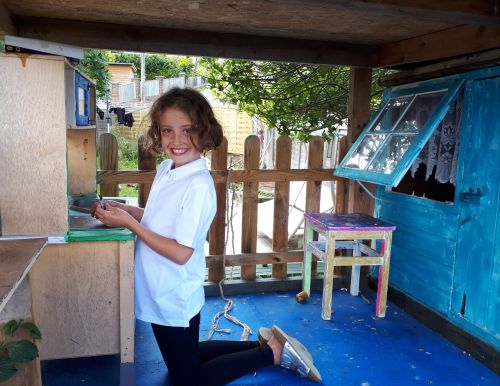
 My job involves the diagnosis and management of health conditions. In co
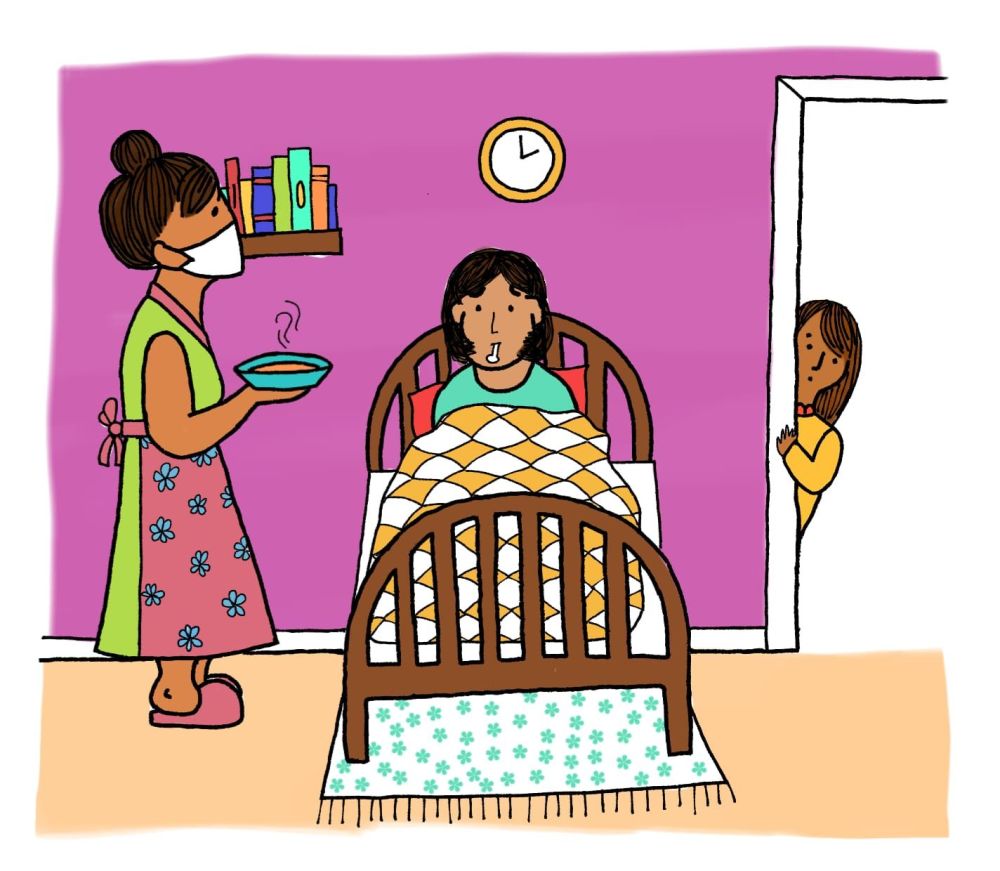 These situations were not exclusive to people infected with the virus. Hospitals and care homes shut their doors to all visitors in order to reduce the risk of infection. With hospitals representing separation from loved ones as well as the most likely place to catch the disease, I have had many conversations with people who are unwell and in other circumstances would definitely be requiring admission to hospital, but who chose to remain at home to avoid Coronavirus.